








The Importance of Tibet
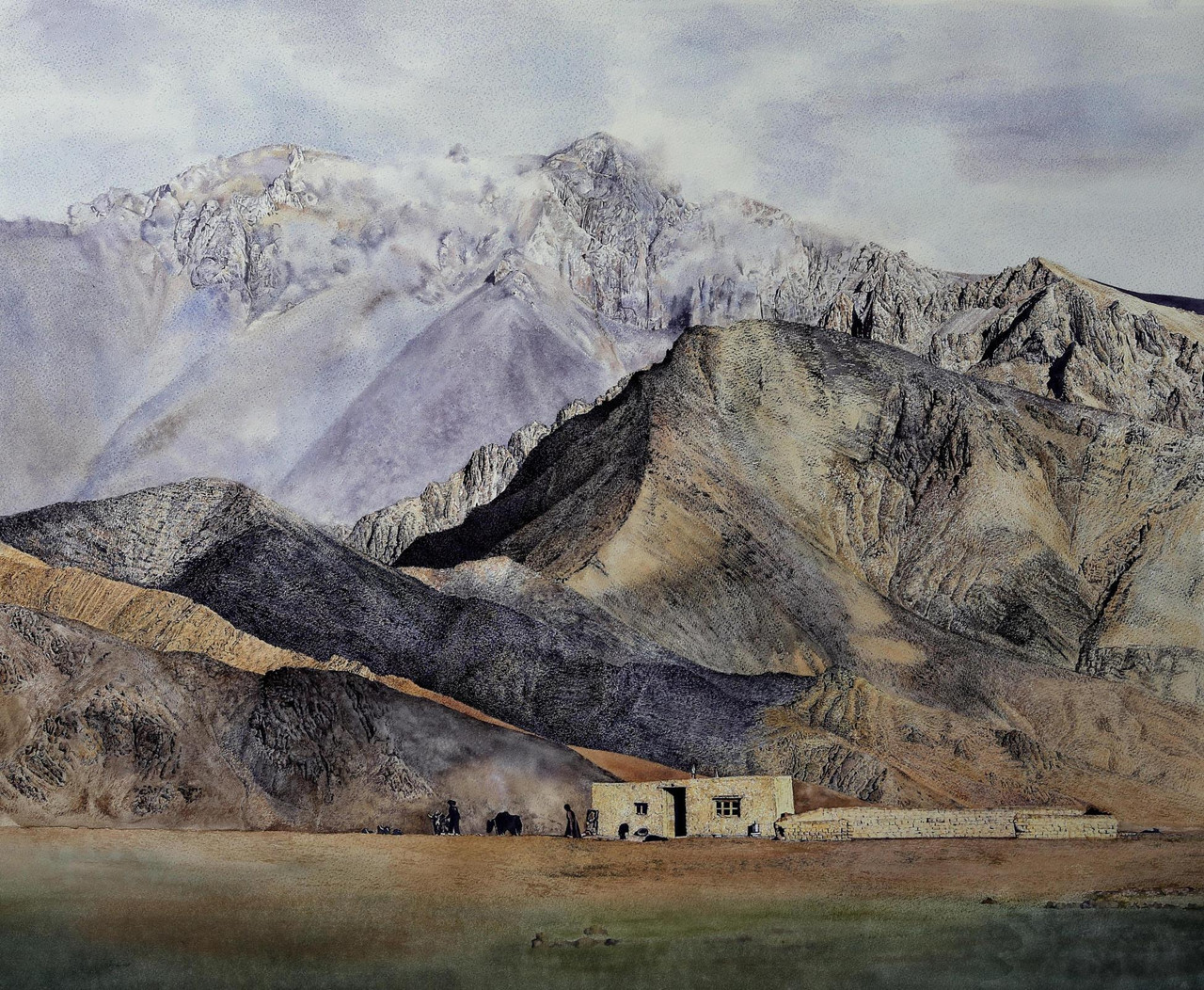
Tibet, often referred to as the “Roof of the World”, is a region in Central Asia characterised by its unique culture, striking landscapes, and spiritual significance. Spanning the Tibetan Plateau, this region holds profound historical, cultural, and political importance, which resonates globally. Recent events, including environmental challenges and human rights issues, have brought Tibet back into the international spotlight, making it essential for people to understand this unique area.
Cultural Heritage
Tibet is renowned for its rich cultural heritage, particularly Buddhism, which has thrived here for centuries. The iconic Potala Palace in Lhasa, once the winter residence of the Dalai Lama, symbolises this vibrant spiritual culture. The region is also known for its traditional festivals, music, and dance, which reflect the deep spiritual connection of its people to their land. Tibetan culture, however, faces ongoing threats from external influences and policies imposed by the Chinese government, which have sought to assimilate Tibetan identity into a broader Chinese narrative.
Current Affairs in Tibet
In recent years, Tibet has experienced significant challenges, including increasing restrictions on religious practices, freedom of expression, and cultural preservation. Reports from human rights organisations indicate that Tibetan activists and monks continue to face persecution for voicing their concerns regarding autonomy and cultural rights. Additionally, environmental issues, such as mining and climate change impacts, threaten the fragile ecosystem of the Tibetan Plateau. These factors contribute to the ongoing struggles faced by the Tibetan people, resulting in calls for global attention and support.
International Response and Future Outlook
The international community’s response to Tibetan issues has been mixed, with some countries advocating for Tibet’s rights while others maintain a diplomatic silence due to economic ties with China. The continued plight of Tibet resonates with human rights advocates and shows the increasing importance of cultural preservation in the face of globalisation. As awareness grows, so does the hope for a future where Tibetans can freely express their identity, preserve their culture, and protect their environment. For readers, understanding Tibet not only enhances cultural appreciation but also highlights the significance of supporting humanitarian efforts globally.
Conclusion
Understanding Tibet is critical not only for appreciating its rich cultural heritage but also for engaging with contemporary issues surrounding rights and environment. The global dialogue about Tibet will likely continue to grow, inspiring more individuals to contribute towards its preservation and the well-being of its people.