









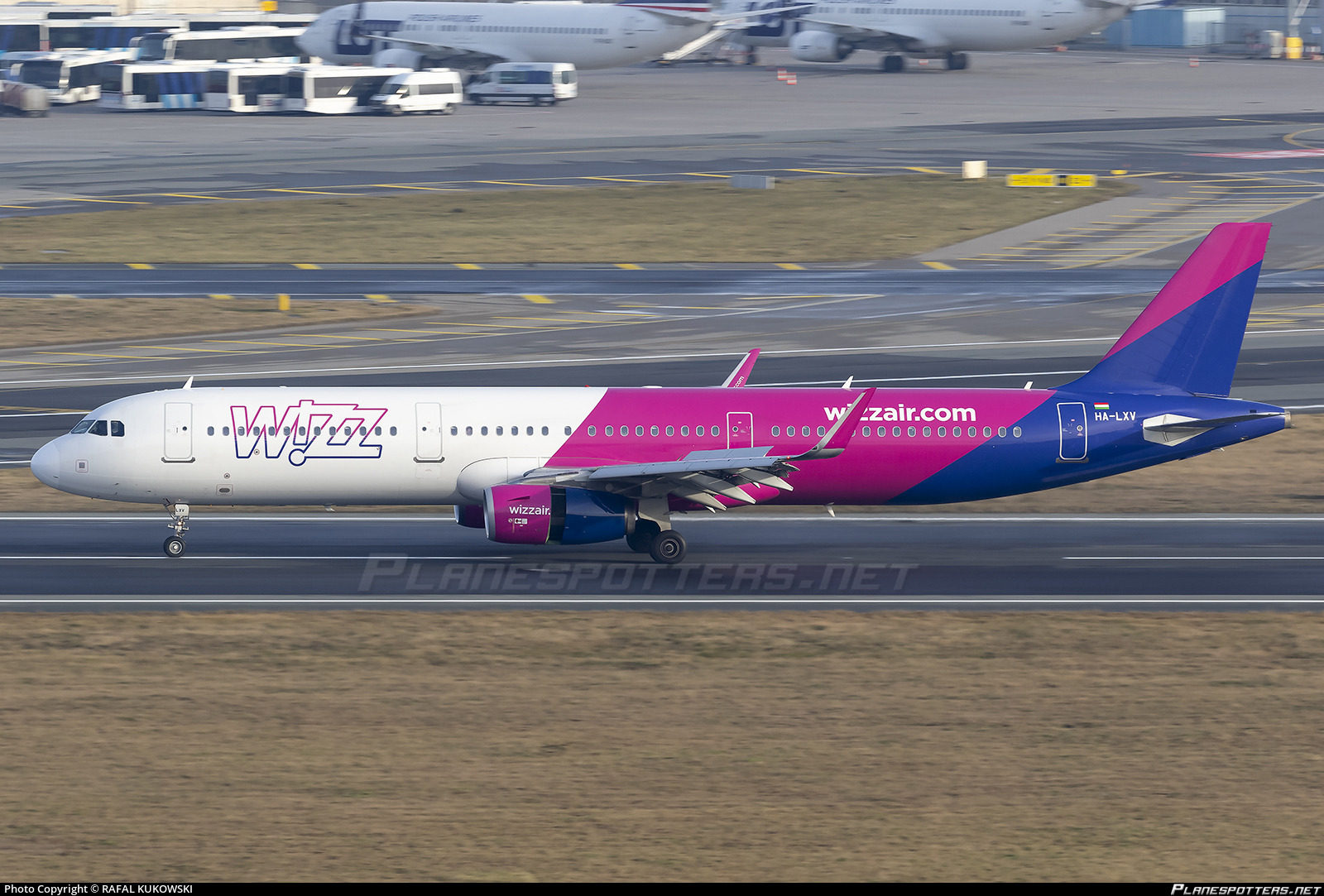
Introduction to Wizz Air
Wizz Air, established in 2003, has emerged as one of Europe’s leading low-cost airlines, revolutionising air travel for millions. With its headquarters in Budapest, Hungary, Wizz Air operates over 800 routes across 44 countries, making it a vital player in the European aviation landscape. In an era where affordability often dictates travel options, understanding Wizz Air’s operations and growth strategy is paramount for consumers and industry stakeholders alike.
Expansion and Services
In recent months, Wizz Air has taken significant steps to expand its operations. The airline has added over 50 new routes to its portfolio since the beginning of 2023, responding to increasing travel demand post-pandemic. Notable new destinations include several emerging cities in Eastern Europe and Mediterranean regions, catering to a diverse customer base. Furthermore, Wizz Air has also introduced new services, such as increased flight frequencies and enhanced passenger comfort, aiming to elevate its competitive edge in the low-cost segment.
Sustainability Initiatives
Sustainability is an essential aspect of modern air travel, and Wizz Air has committed itself to reducing its environmental impact. The airline operates one of the youngest fleets in Europe, with an average aircraft age of below five years. This modern fleet contributes to lower carbon emissions per passenger when compared to older aircraft. Wizz Air has also set targets to achieve net-zero carbon emissions by 2050, aligning itself with global climate agreements.
Challenges and Future Outlook
Like many airlines, Wizz Air has faced challenges, particularly regarding rising operational costs and fluctuating fuel prices. In its recent quarterly financial report, the airline noted a slight decrease in profit margins, attributed to these factors. However, industry analysts predict a strong recovery trajectory, aided by the ongoing resurgence in travel demand and strategic expansions. Wizz Air operates with a flexible pricing model, allowing them to adjust fares based on competition and demand, which could also cushion impacts from economic fluctuations.
Conclusion
Wizz Air represents a pivotal force in making air travel accessible and affordable for millions of Europeans. Its proactive expansion strategy, coupled with important sustainability measures, showcases its commitment to addressing current challenges in the aviation industry. Looking ahead, Wizz Air is well-positioned to adapt to the post-pandemic travel landscape, ensuring that it remains a preferred choice among budget-conscious travellers. As the airline continues to grow, its influence on both the economy and the environment will be closely watched by stakeholders across the sector.