






Introduction
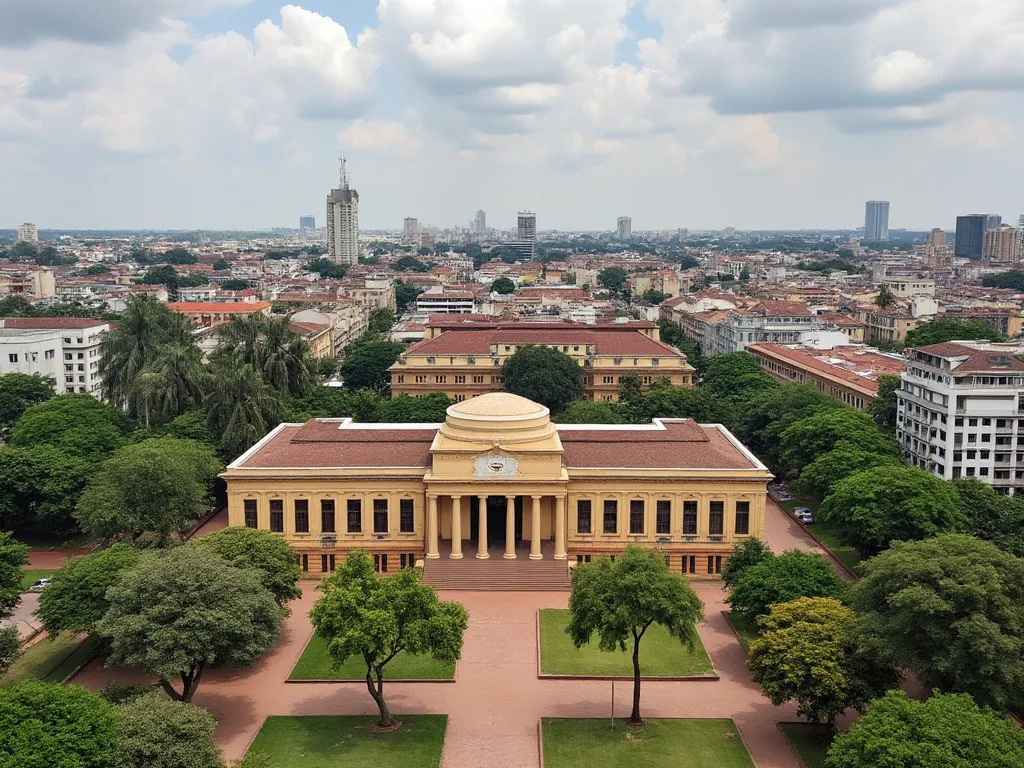
Ouagadougou, the capital city of Burkina Faso, is a vibrant hub known for its rich cultural heritage, its historical significance, and its evolving urban landscape. As Burkina Faso’s political, economic, and cultural centre, the city plays a crucial role in shaping the identity of the nation. In recent years, Ouagadougou has faced challenges, including political instability, but continues to be a focal point for development and is integral to understanding the broader context of West Africa.
The Historical Context
Founded as a small settlement, Ouagadougou’s significance rose dramatically after it became the capital in 1960, following Burkina Faso’s independence from colonial rule. The city’s name itself, translating to ‘the place of the warriors’, reflects its historical importance as a centre of resistance and resilience. Historic sites, such as the Moro-Naba Palace, are a testament to the traditional authority and cultural practices that have persisted for centuries.
Recent Developments
In recent years, Ouagadougou has witnessed significant urban growth and development. Infrastructure improvements are underway, with new roads, housing developments, and enhanced public services. However, the city also struggles with the repercussions of social and political challenges, including security threats from extremist groups. The government has been working diligently to ensure the safety of residents while fostering an environment conducive to economic progression.
Cultural Significance
Ouagadougou is a cultural melting pot, celebrated for its arts scene and festivals. The city hosts the biennial Panafrican Film and Television Festival of Ouagadougou (FESPACO), which is the largest film festival in Africa and showcases the continent’s cinematic talent. The local markets, art galleries, and musical events also exemplify the vibrant cultural heritage that attracts both locals and tourists alike.
Conclusion
As Ouagadougou continues to evolve amidst challenges, its resilience and cultural richness remain vital to its identity as a major urban centre in West Africa. The city’s ongoing development projects and cultural events underscore its significance in the region. Looking ahead, how Ouagadougou navigates its socio-political landscape will be crucial in determining its trajectory, potentially serving as a model for other cities in similar contexts. For readers interested in the intricacies of West African culture and urban development, Ouagadougou exemplifies the dynamic interplay between tradition and modernity.