









Introduction
The Nipah virus outbreak has emerged as a significant public health concern in several regions, particularly in South Asia. This zoonotic virus, transmitted from animals to humans, results in severe respiratory and neurological symptoms, leading to high mortality rates. As outbreaks have recurred, primarily in Bangladesh and India, understanding the latest developments and responses to this viral infection is crucial for public health safety and preparedness.
Current Outbreak Status
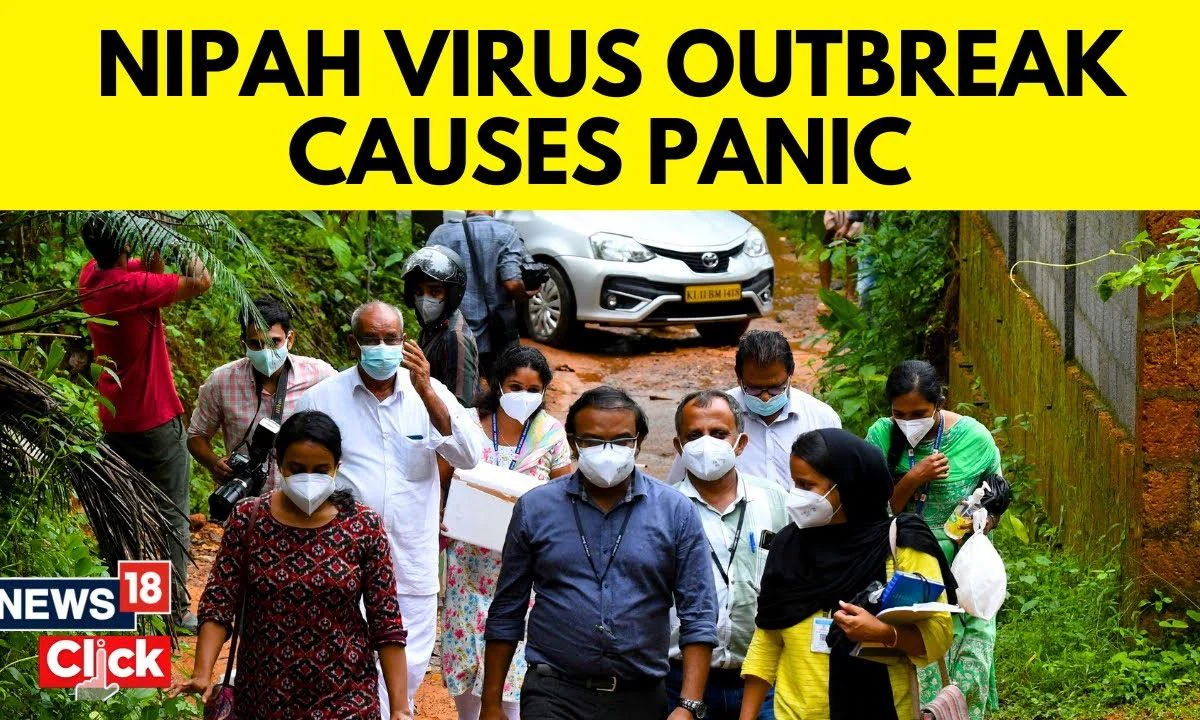
As of October 2023, several cases of Nipah virus have been reported in Kerala, India. The state health department confirmed that three individuals tested positive for the virus after showing symptoms consistent with infection. Health officials are currently tracing contacts of these individuals to prevent further spread. The initial cases were linked to infected bats, which are known reservoirs of the virus.
Public Health Response
The Indian government has heightened surveillance in regions known to be affected by the outbreak. Health advisories have been issued, urging individuals to avoid contact with bats and to ensure that fruits are washed thoroughly. Healthcare facilities are being equipped to handle suspected cases, and awareness campaigns are underway to educate the public about symptom recognition and health-seeking behaviours.
Global Implications
The Nipah virus, first identified in Malaysia in 1999, has wide implications for global health security due to its potential for cross-border transmission. The recent situation in Kerala has raised alarms among health authorities, prompting countries to review their disease monitoring protocols. The World Health Organization (WHO) continues to monitor the outbreak and has advised nations to strengthen their preparedness against this and other spillover events from wildlife to humans.
Conclusion
The situation surrounding the Nipah virus outbreak emphasizes the need for ongoing vigilance and proactive measures. With the potential for rapid transmission and significant health risks involved, it is essential for communities to remain informed and responsive to governmental health advisories. Continued research and surveillance will play a crucial role in managing the Nipah virus and preventing future outbreaks. Staying informed and taking precautionary measures are key steps for public safety in the face of this ongoing health threat.