









Introduction
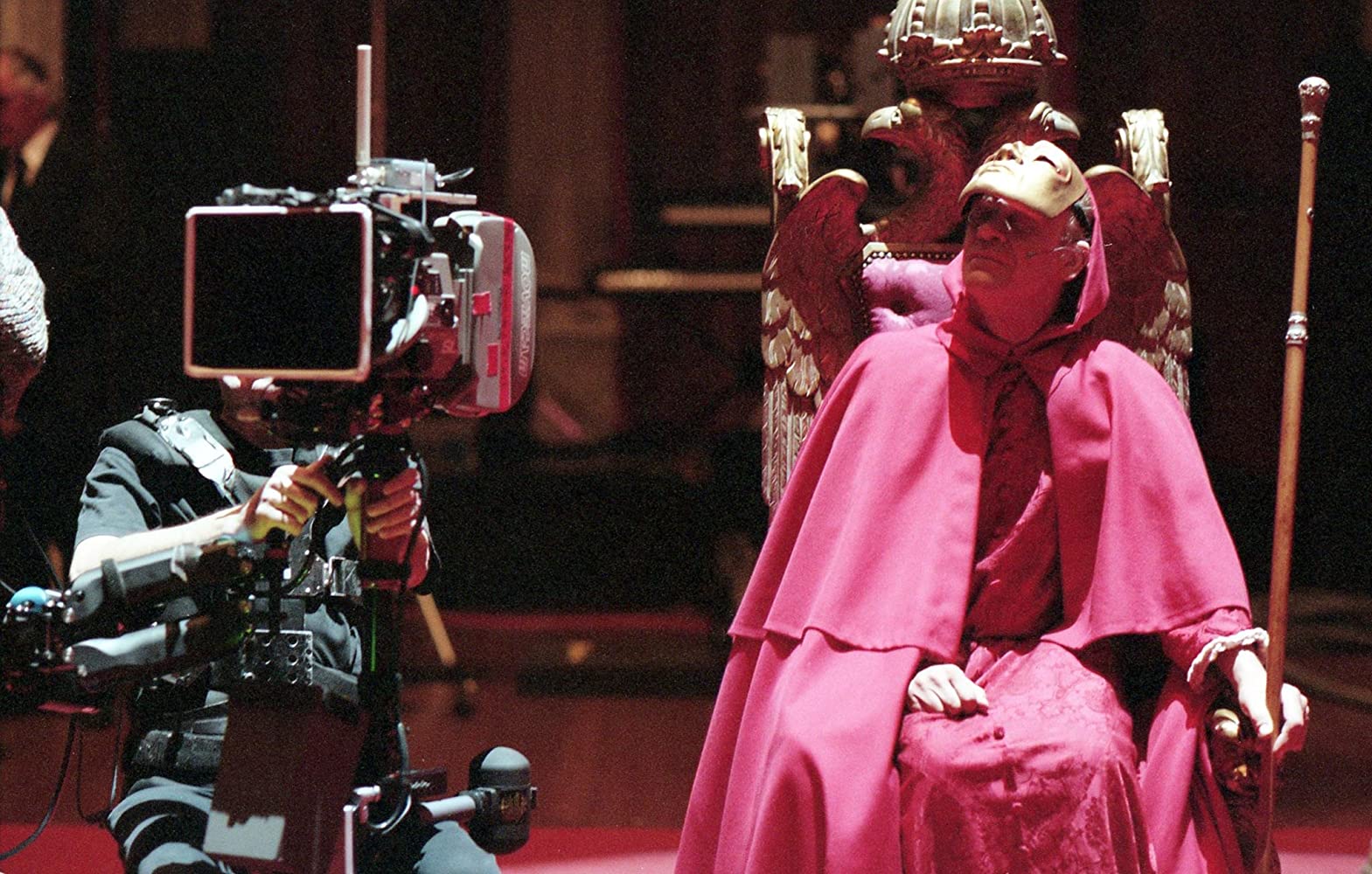
‘Eyes Wide Shut’, directed by Stanley Kubrick, was released in 1999 and has since become a cult classic. The film’s exploration of themes such as desire, fidelity, and the human psyche resonates with audiences even decades later. Given its controversial subject matter and the mysterious aura surrounding its production, it continues to stimulate discussions about love, trust, and the hidden facets of relationships.
Plot Overview
Based on Arthur Schnitzler’s 1926 novella ‘Traumnovelle’, the film follows Dr. Bill Harford, played by Tom Cruise, who embarks on a night-long adventure after learning of his wife’s (Nicole Kidman) sexual fantasies. Dearly entangled in a world of masked orgies and clandestine encounters, Bill confronts his own insecurities and desires, leading to a profound reflection on the nature of intimacy.
Cultural Impact and Reception
‘Eyes Wide Shut’ saw a polarising reception upon its release, with critics offering both praise and scorn. The film pushed the boundaries of conventional cinema, particularly with its explicit content and psychological depth. Over the years, however, it has garnered acclaim and is often cited as one of Kubrick’s masterpieces. Its dreamlike visuals and haunting score have solidified its place in film history.
Key Themes
The film intricately examines themes of sexual jealousy, social class, and the complexities of marital relationships. The notion of ‘eyes wide shut’ itself encapsulates a state of denial about the realities of life and relationships. Audiences are prompted to reconsider their own perceptions of fidelity and the sometimes hidden nature of desire.
Conclusion
‘Eyes Wide Shut’ remains a relevant topic of discussion in modern cinema, with its themes continuing to resonate with viewers today. As society increasingly engages in dialogues about relationships and sexuality, the film’s portrayal of the darker aspects of desire invites reflection and contemplation. With its enigmatic storytelling and striking visual composition, Kubrick’s final film challenges audiences to confront their own realities—both seen and unseen—with eyes wide open.