









Introduction
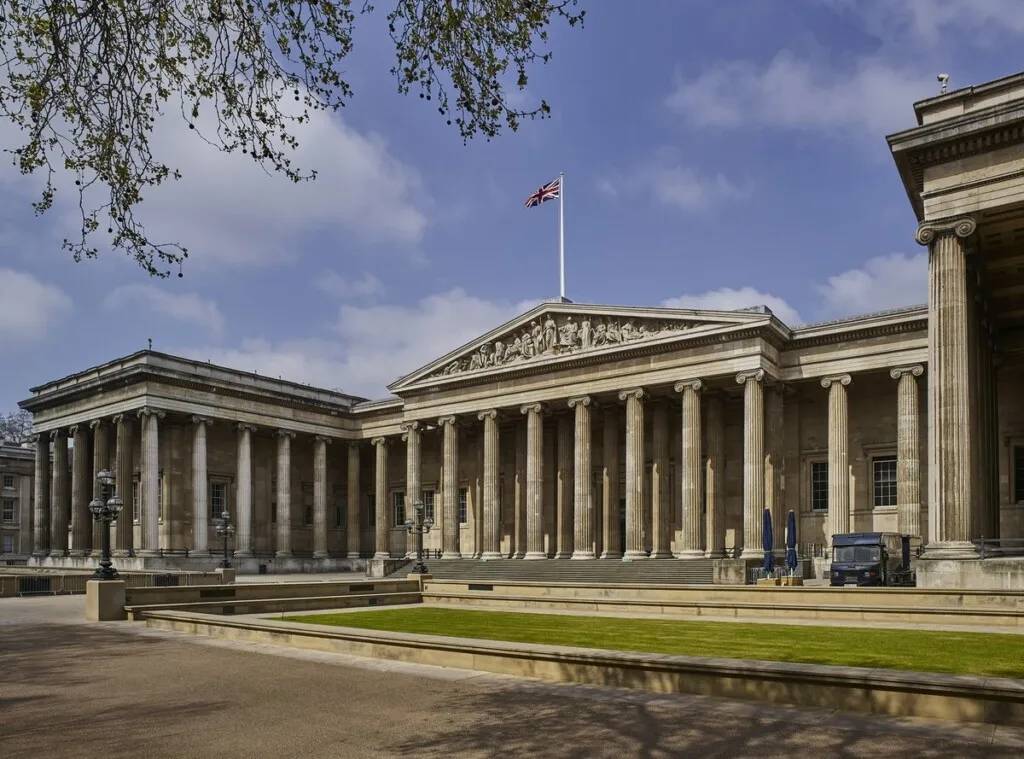
The British Museum, located in the heart of London, is one of the world’s oldest and most comprehensive museums, renowned for its vast collection of art and antiquities. Established in 1753, it houses millions of works from various cultures, making it a global cornerstone for education and cultural appreciation. The museum’s commitment to preserving history plays a vital role in fostering understanding and dialogue among different cultures, particularly in today’s increasingly interconnected world.
The Evolution of the Museum
The British Museum has gone through significant transformations since its inception. Originally established to house the collections of Sir Hans Sloane, today, it boasts over eight million works representing almost every continent. Notable artifacts include the Rosetta Stone and the Elgin Marbles, which have sparked ongoing debates over cultural repatriation. In recent years, the museum has actively sought to address these issues through public dialogue and exhibitions, enhancing its role as a mediator of cultural discussions.
Current Exhibitions and Outreach
The museum continues to attract millions of visitors each year, with recent exhibitions focusing on topics such as ancient civilizations and contemporary art. For instance, the exhibition ‘The World of Stonehenge’, which recently concluded, was a significant event showcasing the rich history and mythology surrounding one of Britain’s most iconic archaeological sites. Furthermore, the British Museum is committed to expanding access through digital initiatives, allowing virtual tours and online collections to reach a broader audience worldwide.
Challenges and Future Directions
As the museum moves forward, it faces several challenges, including funding constraints and the need to adapt to changing visitor expectations. However, with ongoing support and partnerships, the British Museum aims to continue its mission of educating and inspiring future generations. Emphasising inclusivity and collaboration, the museum has initiated projects that engage with local communities and international scholars, ensuring its relevance in a rapidly changing global landscape.
Conclusion
The British Museum remains a pivotal institution in preserving and celebrating global heritage. Its ongoing efforts to adapt, engage with diverse audiences, and confront complex historical narratives reflects its significance not just as a repository of artifacts, but as a vital participant in cultural discourse. As it looks to the future, the museum’s journey will undoubtedly continue to shape our understanding of the past and present, enlightening millions around the globe.