









Introduction
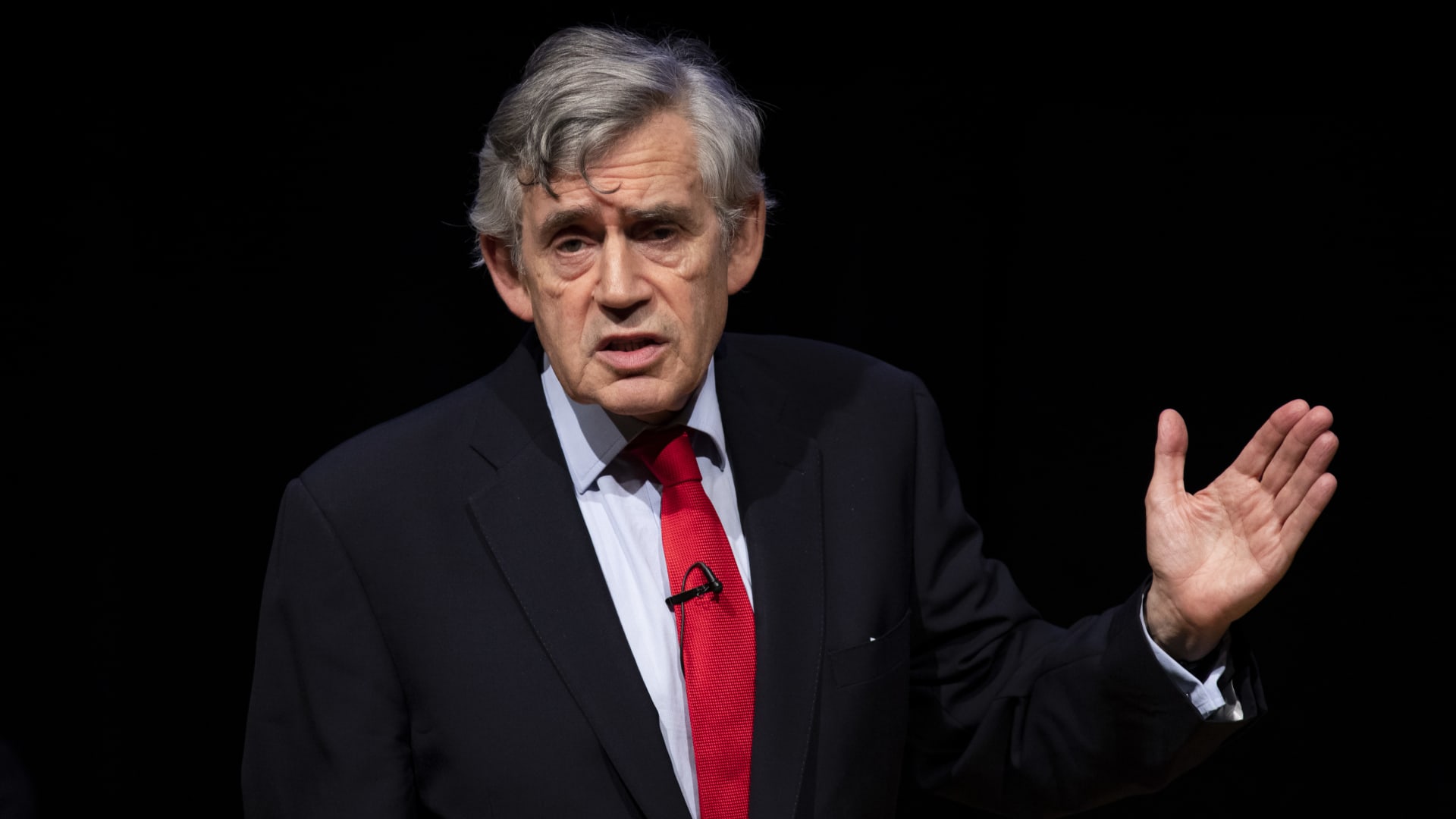
Gordon Brown, who served as the Prime Minister of the United Kingdom from 2007 to 2010, remains a significant figure in British politics. His tenure marked a period of notable economic challenges and reforms, and his influence is still felt today. Understanding his contributions is critical to grasping the trajectory of modern British governance, financial policies, and international relations.
Background and Political Career
Born on February 20, 1951, in Giffnock, Scotland, Gordon Brown studied at the University of Edinburgh and went on to become a lecturer in history. He entered politics as a Member of Parliament (MP) for Dunfermline East in 1983. Throughout the 1990s, he held several key positions in the Labour Party under Tony Blair, notably as Chancellor of the Exchequer from 1997 to 2007. During this time, he was instrumental in implementing several progressive economic reforms, including the introduction of the minimum wage and the establishment of the independent Bank of England.
Prime Ministership Challenges
Brown succeeded Tony Blair as Prime Minister in June 2007, facing immediate challenges, including the global financial crisis that erupted the following year. His government took significant measures to stabilise the economy, including substantial bank bailouts. However, these actions were met with mixed reactions, and ultimately, Labour lost the general election in 2010, leading Brown to resign. His time in office was characterised by economic turmoil and political controversies, yet he managed to navigate one of the most difficult periods in recent British history.
Influence post-Premiership
Since leaving office, Gordon Brown has continued to be an active participant in global affairs, advocating for international development and education. He co-founded the Global Fund for Education and has taken a prominent stance on climate change, calling for better global cooperation on environmental policies. His commitment to social issues remains apparent as he encourages action against poverty and inequality worldwide.
Conclusion
Gordon Brown’s legacy as a political leader is one of resilience in the face of economic challenge and social advocacy. While his time as Prime Minister was marred by crisis, his contributions have significantly influenced the Labour Party’s direction and broader political discourse in the UK. As we move forward, understanding his policies and actions can provide valuable insights into contemporary political landscapes and highlight the ongoing challenges faced by leaders today.