









Introduction
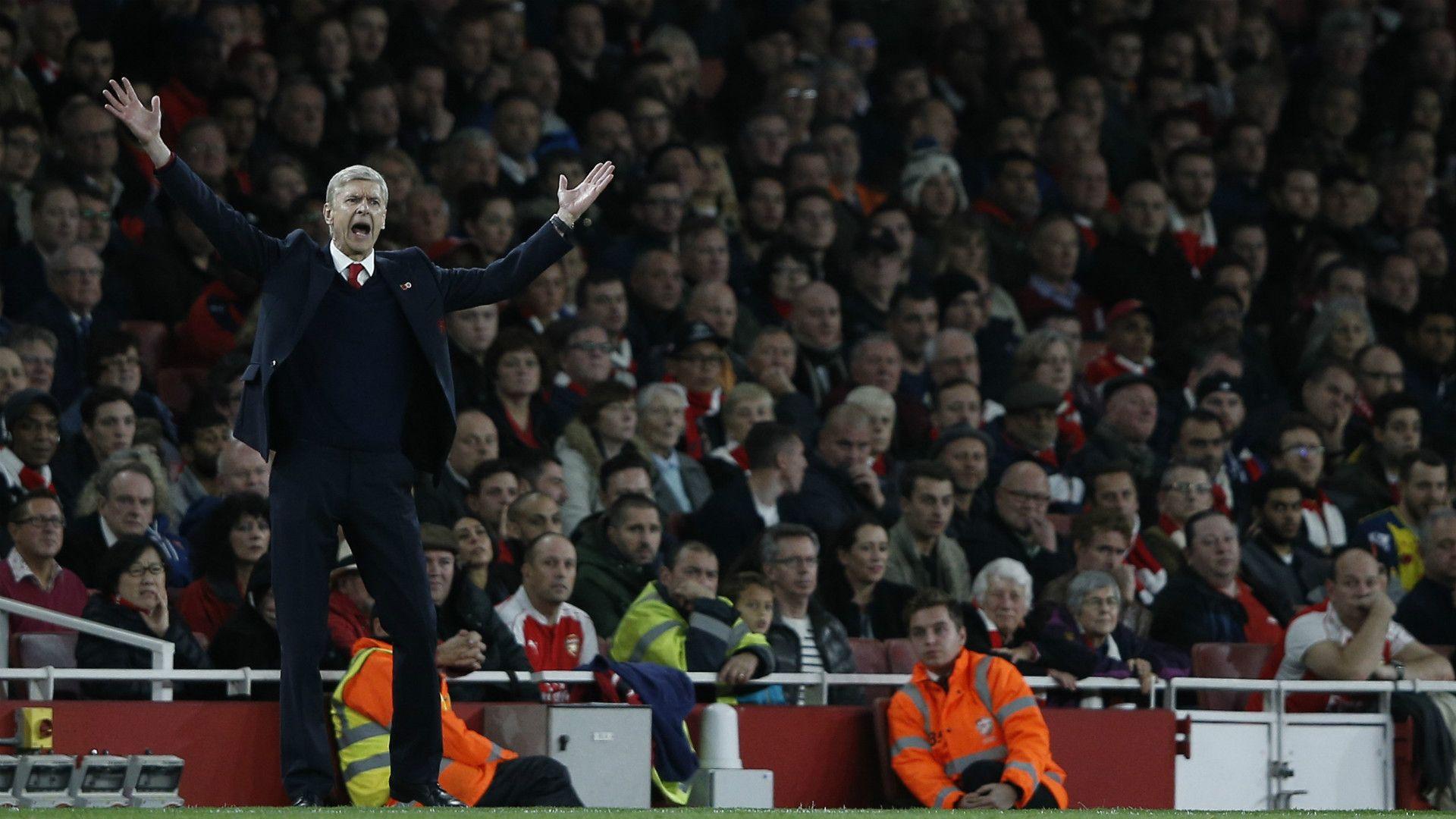
Arsène Wenger, a name synonymous with modern football, has left an indelible mark on the sport, particularly through his transformative role at Arsenal Football Club. Its relevance today highlights not only his tactical innovations but also his impact on player development and club philosophy, resonating throughout the sport globally.
The Early Days
Born on October 22, 1949, in Strasbourg, France, Wenger began his managerial career in the lower divisions of French football before rising to prominence with AS Nancy, before taking charge at AS Monaco, where he won the league title in 1988. His methods attracted attention from the UK, and in 1996, he took over Arsenal, instantly changing the landscape of English football.
Transformational Years at Arsenal
Wenger’s arrival at Arsenal marked the beginning of an unprecedented era for the club. Renowned for his emphasis on attacking football, physical fitness, and nutrition, Wenger instilled a winning mentality in his players. He led the Gunners to an unbeaten Premier League season in 2003-04, a feat that earned them the nickname ‘The Invincibles’. Furthermore, he was instrumental in the development of players like Thierry Henry, Patrick Vieira, and Cesc Fabregas, elevating their status to football superstars.
Wenger’s Philosophy and Impact
Wenger’s influence extended beyond the pitch; he became an advocate for football’s globalization and a proponent of young talent development. His philosophy of playing attractive, fluid football redefined what the Premier League represented. He also opened the doors to numerous foreign players, which significantly changed the league’s identity. Wenger introduced the “The Wenger model,” focusing on building a strong club culture and investing in youth, guidance that many clubs still follow today.
Legacy and Conclusion
Wenger stepped down as Arsenal manager in 2018, leaving behind a complex legacy that includes three Premier League titles, seven FA Cups, and priceless contributions to football. His influence is still felt across the Premier League and beyond, as many managers cite him as a key inspiration for their own careers.
Today, Wenger continues to be involved in football as FIFA’s Chief of Global Football Development, where he advocates for the growth of the game worldwide. His vision reflects a commitment to enhancing the sport, promoting fairness, and mentoring young players, ensuring that his legacy transcends his time on the touchline.
In conclusion, Arsène Wenger’s contributions to football are immeasurable, and as he continues to influence the game, his philosophies and innovations will undoubtedly shape the future of football for generations to come.