









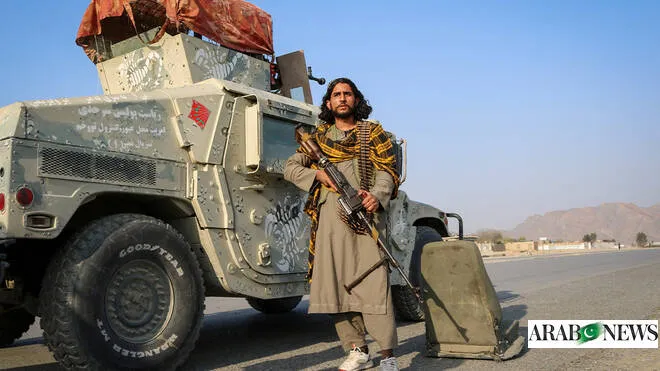
Significant Casualties in Ongoing Conflict
The conflict between Pakistan and Afghanistan has escalated dramatically, resulting in the deaths of over 500 Afghan Taliban fighters. This surge in violence has raised alarms regarding stability in the region, as Pakistani military operations intensify in response to what they describe as unprovoked aggression from Afghan forces.
Causes of the Escalation
The hostilities began following a surprise attack by Afghan forces on Pakistani military installations, prompting Pakistan to launch Operation Ghazab-lil-Haq. This operation aimed to counter the Afghan Taliban’s actions and has led to significant military engagements, including the destruction of 237 Taliban checkposts and the capture of 38 posts by Pakistani forces.
Military Operations and Their Impact
According to reports, Pakistani forces have inflicted heavy losses on the Afghan Taliban, with 527 fighters killed and more than 755 wounded. Additionally, 205 tanks, armored vehicles, and artillery guns belonging to the Taliban have been destroyed, along with 62 locations across Afghanistan targeted by air operations. These figures underscore the scale of the conflict and the ongoing military efforts by Pakistan.
International Reactions and Diplomatic Efforts
As the situation deteriorates, international diplomatic efforts have intensified, with calls for restraint and dialogue between the conflicting parties. Turkish officials have offered to mediate and help restore a ceasefire, highlighting the international community’s concern over the escalating violence.
Context of the Conflict
The backdrop of this conflict is rooted in longstanding tensions along the Pakistan-Afghanistan border, where both nations have accused each other of harboring militant groups. The Afghan Taliban’s actions have been particularly scrutinized, leading to Pakistan’s military response. The conflict reflects broader regional dynamics and the challenges of governance and security in both countries.
Prisoner Swap and Broader Implications
In a related development, a prisoner swap between Ukraine and Russia involved 500 soldiers from each side, occurring amidst the backdrop of the ongoing conflict in Afghanistan. Ukrainian President Volodymyr Zelenskyy emphasized the importance of strength in negotiations, stating, “The stronger we are in the eastern direction, the stronger we are in the talks process.” This statement underscores the interconnectedness of regional conflicts and the implications for international diplomacy.
Future Developments and Uncertainties
As military operations continue, the situation remains fluid, with uncertainties regarding the potential for escalation or resolution. Details remain unconfirmed regarding the long-term impact of these military actions on the stability of the region and the prospects for peace. The international community will be closely monitoring developments as both Pakistan and Afghanistan navigate this complex and volatile landscape.